
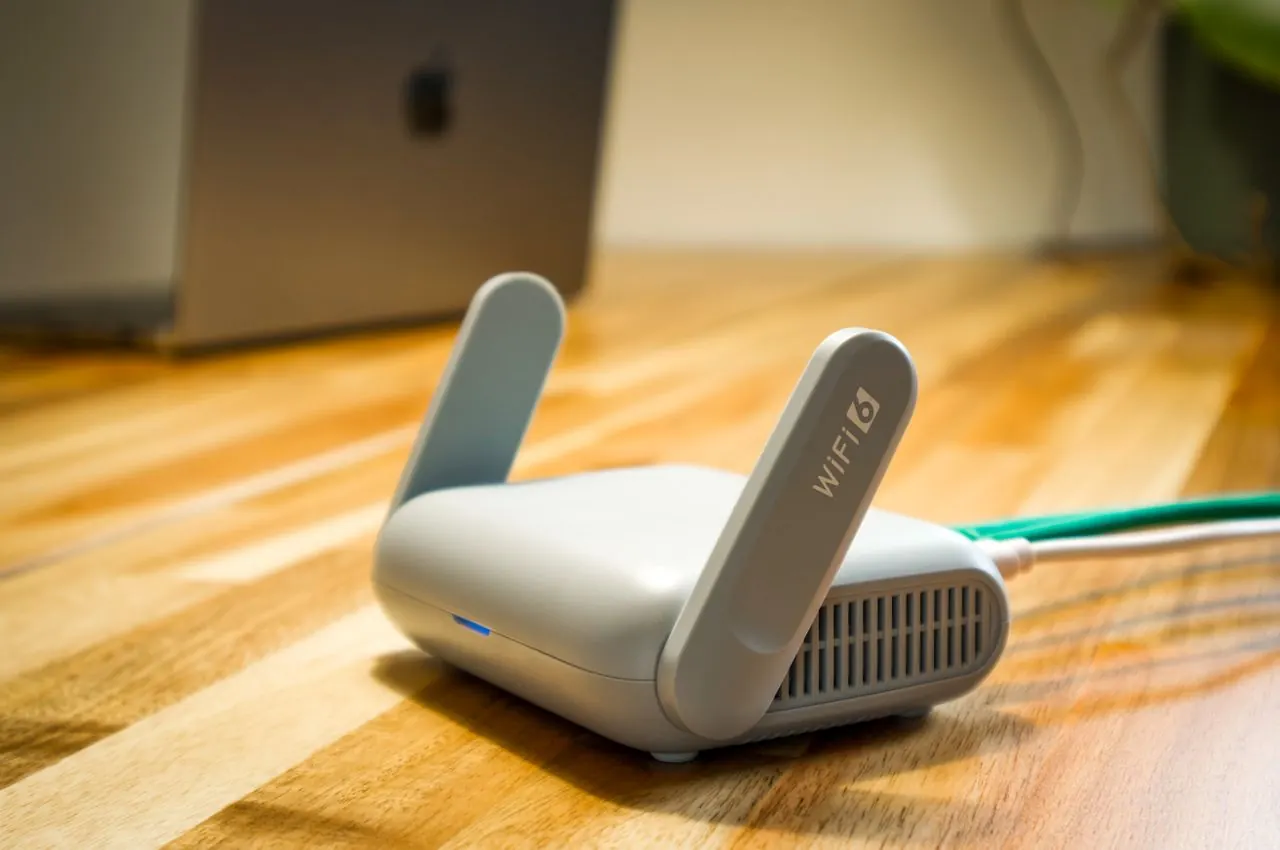
The radio technology behind a device shapes range, battery life, and reliability. Zigbee vs Z-Wave vs Wi-Fi: Which Is Best for Smart Homes? is a practical question because connected devices now affect lighting, comfort, security, energy use, and daily routines. The goal is not to make every object in a home app-controlled; it is to make the right tasks simpler and more dependable.
The radio technology behind a device shapes range, battery life, and reliability. This guide focuses on the decisions a normal household can control: compatibility, reliability, maintenance, privacy, and whether the device will still feel useful after the first week.
Why this topic matters
Zigbee vs Z-Wave vs Wi-Fi: Which Is Best for Smart Homes? matters because smart home technology becomes part of the house, not just a gadget on a shelf. A weak choice can create alerts, app clutter, unreliable routines, or unnecessary subscriptions. A careful choice can make daily actions faster, improve awareness, and reduce waste.
A good smart home is not measured by the number of devices on the network. It is measured by how often technology removes friction without adding new chores. For zigbee vs z-wave vs wi-fi: which is best for smart homes, the right decision usually depends on the home layout, the people who live there, the quality of the Wi-Fi network, and how comfortable the household is with apps, accounts, and updates.
How it works in a real home
In practice, zigbee vs z-wave vs wi-fi: which is best for smart homes? involves hardware, software, network quality, and household habits working together. The device must be physically suited to the room, digitally compatible with the rest of the system, and simple enough that people can use it without reading a manual every time.
Most connected devices follow the same pattern: a sensor, switch, lock, thermostat, speaker, or camera collects a signal; an app or automation rule interprets that signal; and another device or notification responds. The useful part is not the app itself. The useful part is the reliable handoff between devices, the clarity of the rule, and the ability for a person to override the system quickly.
Local control and cloud control
Some features run locally inside the home through a hub, controller, or direct network connection. Others depend on a cloud account. Local control can be faster and more resilient during an internet outage, while cloud features can make remote access and cross-device integrations easier. Neither approach is automatically better; the best setup uses local control for essential routines and cloud features only where they add clear value.
Key choices at a glance
| Decision point | Practical guidance |
|---|---|
| Best fit | Households that want iot and connectivity decisions to be easier to understand and maintain. |
| Watch out for | Overbuying devices before checking compatibility, network strength, privacy settings, and manual fallback options. |
| Setup priority | Start with one clear use case, test reliability for a week, then expand only where the routine proves useful. |
| Maintenance habit | Review firmware, batteries, account access, and automation behavior on a regular schedule. |
Benefits
- Can reduce repeated manual tasks when the setup is based on a real routine.
- Often improves awareness by turning device status, motion, temperature, or access events into useful signals.
- Can be expanded gradually, which helps homeowners learn without replacing everything at once.
- May support accessibility, comfort, or energy goals when automations are tested carefully.
Trade-offs and limitations
- Depends on app quality, firmware updates, and network reliability.
- Some advanced features may require a cloud account or paid plan.
- Poorly planned automations can annoy people or create false alerts.
- Privacy settings need review, especially for cameras, microphones, and location-based features.
Practical example
A practical iot and connectivity example is a household that chooses one room and one problem first. Instead of buying a full collection of devices, they test a single routine: a sensor detects activity, a light turns on at a comfortable level, and a phone notification is sent only when the home is expected to be empty. After a week, they adjust timing and sensitivity before adding anything else.
Notice the order of decisions in this example. The homeowner starts with the desired outcome, then chooses the device, then decides how the device should behave when something goes wrong. That order prevents a common problem: buying a device because it looks impressive and only later discovering that it does not solve a daily problem.
Buying and setup checklist
Before you purchase anything related to zigbee vs z-wave vs wi-fi: which is best for smart homes, check the following points. Confirm that the device works with your preferred platform, that the app is still maintained, that replacement parts or batteries are easy to find, and that basic controls remain available for guests, children, or anyone who does not want to use a phone.
Read recent product documentation, not only store listings. Store pages often highlight attractive features while leaving important details such as subscription limits, storage rules, bridge requirements, and account sharing inside support articles. A few minutes of checking can prevent lock-in and reduce returns.
Security and privacy basics
Use strong unique passwords, enable multi-factor authentication where available, and keep device firmware current. For cameras, speakers, locks, and other sensitive devices, review default privacy settings before normal use. If a device records audio or video, make sure every household member understands where recordings are stored and how they can be deleted.
Common mistakes to avoid
The most common mistake is confusing feature lists with usefulness. A device can support many integrations and still be wrong for the home if the signal is unreliable, the app is confusing, or the manual fallback is poor.
Another mistake is ignoring the people who will actually live with the system. A routine that only one person understands can become a household burden. Label switches, keep manual controls available, and document important automations in plain language so the home remains usable when the main app user is away.
Maintenance plan
Maintenance should be simple and predictable. Keep a small inventory of connected devices, note which app controls each one, and write down what should happen if internet service, power, or a cloud service is unavailable.
A quarterly smart home review is enough for many homes. Check battery levels, remove unused device access, update apps, test automations that affect security or comfort, and confirm that emergency manual controls still work. Treat this as normal home maintenance, similar to checking smoke alarm batteries.
Related reading
- Smart Home Hub vs Hub-Free Devices
- Matter Smart Home Standard Explained
- Smart Home Devices That Work During Internet Outages
Conclusion
Zigbee vs Z-Wave vs Wi-Fi: Which Is Best for Smart Homes? is easier to evaluate when you start with outcomes instead of buzzwords. Choose devices that solve a real problem, keep privacy and fallback controls in mind, and expand slowly. A smart home should feel calmer and more reliable, not more complicated.
FAQ
Is zigbee vs z-wave vs wi-fi: which is best for smart homes? worth it for every home?
Not automatically. It is worth considering when it solves a recurring problem, improves safety or comfort, or makes a routine easier without creating ongoing maintenance that the household will ignore.
Do I need to buy everything from one brand?
No. Staying within one ecosystem can simplify setup, but standards such as Matter and common integrations can allow mixed devices. Always confirm the exact model works with your preferred platform before buying.
What should I check before installation?
Check power needs, wireless range, app reviews, privacy settings, manual controls, update history, and whether the most important features require a subscription.
How can I keep the setup reliable?
Use a strong router, avoid overloading one room with weak wireless devices, keep firmware updated, name devices clearly, and test important automations after changes.